


General Physician Home Visit for Seniors: 2026 Health Guide

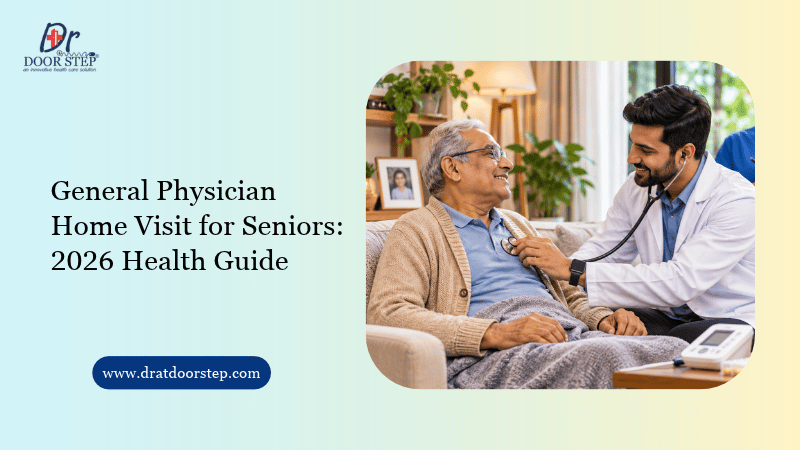
Getting an elderly parent ready for a clinic trip can take half a morning. There are stairs, traffic, a long wait and then a five-minute consultation. For many seniors, that effort alone is exhausting.
It gets harder when the children live in another city and cannot come along.
A doctor at home service solves much of this. A qualified general physician visits the house, checks your parent, reviews their medicines and suggests the next step.
In 2026, home care in India will become more organised with the help of tests conducted at home and electronic record-keeping. This information will be useful for you to make decisions easier and also in your 2026 health guide.
How Does Home-Based Primary Care (HBPC) Support Senior Citizens?
Home-Based Primary Care (HBPC) means where a doctor provides primary care services to the patient at their place. The care focuses on the entire person, not just illness.
For seniors, HBPC supports:
- Preventive check-ups
- Long-term condition monitoring
- Medicine reviews
- Post-discharge recovery
- Specialist coordination
- Caregiver guidance
The biggest benefit is continuity. When the same doctor knows your parent’s history, small changes get noticed sooner.
Think of a senior just back from hospital. They may need BP checks, wound care and medicine changes. Doing this at home saves repeated trips.
When Should You Schedule a General Physician Home Visit?
A home visit makes sense when your parent needs a doctor but travelling is a struggle. It also works well for regular check-ups.
Consider a physician at home when there is:
- Limited mobility
- Recurring fever or cough
- Diabetes or BP monitoring needed
- Recovery after hospital discharge
- Routine check-up due
- A growing medicine list
Take a 75-year-old with diabetes and high BP. Visiting a clinic every month tires them out. A doctor at home can check the readings in the living room and adjust the plan on the spot.
Important: Home visits are for non-emergencies. Chest pain, sudden breathlessness, stroke signs, fainting or heavy bleeding need an ambulance or hospital straight away. Do not wait for an appointment.
What Medical Conditions Can a General Physician Treat at Home?
A general physician can handle many everyday problems at home. What they can do depends on the symptoms, your parent’s history and the equipment the doctor carries.
| Health condition | How a home physician helps |
| Fever and viral infections | Assesses symptoms, advises treatment |
| Diabetes | Reviews sugar readings and medicines |
| High blood pressure | Checks BP, assesses heart risk |
| Joint pain and arthritis | Examines pain and mobility |
| Digestive problems | Treats acidity, constipation, indigestion |
| Respiratory infections | Examines cough, cold, breathing |
| General weakness | Looks for causes, suggests tests |
Managing Chronic Conditions in Older Adults
Long-term diseases require constant monitoring and not just temporary treatments. In follow-ups, the physician is able to analyse measurements, medications, diets, and lifestyle.
If your parent has several conditions, regular visits also help catch warning signs early and decide whether a specialist is needed.
But not everything is safe at home. Severe infections, suspected heart attacks, serious injuries and major breathing trouble need a hospital.
How Do At-Home Diagnostics and Point-of-Care Testing (POCT) Work?
Some consultations need tests. Point-of-Care Testing (POCT) means certain tests are done right beside the patient, often during the visit itself.
Depending on your area and provider, at-home diagnostics may include:
- Blood sugar testing
- Blood pressure checks
- Oxygen level checks
- ECG, when needed
- Home blood sample collection
- Basic urine tests
This saves elderly patients a lot of travel.
Still, POCT does not replace every lab test. Doctors evaluate results along with the symptoms, and ambiguous results might require an additional laboratory test.
Make sure that your testing provider complies with hygiene and quality standards.
How Are Digital Health Records Managed During Home Doctor Visits?
Digital medical records have been adopted in India as well. They will allow the doctor to look at the medical history of your parent.
The Ayushman Bharat Digital Mission (ABDM) & Digital Health is an initiative by the Government of India for connecting the healthcare sector digitally. Using this, an individual can register an ABHA (Ayushman Bharat Health Account) for his/her health records.
During a visit to your house, the records will include:
- Patient data: History, allergies, diseases
- Consultation data: Symptoms, examination results, diagnosis
- Digital prescription: Easily accessible
- Lab test report: In one single place
- Follow-up data: Comparing results at different times
Access under ABDM is based on consent. Thus, you should know who is having access to it before granting permission.Avoid forwarding health reports through unverified channels.
Practical Tips for Preparing Seniors for a Home Doctor Visit
A little preparation helps the doctor understand your parent faster.
Prepare the following before the consultation:
- Past prescriptions and test reports
- Complete medication record, including dietary supplements
- Note on symptoms with dates
- Latest BP and glucose levels
- Brightly lit examination area
Encourage your parent to explain their problems in his/her own way. It is in the doctor’s own experience that most things come out, rather than the reports.
If you live in a different city, plan ahead in coordination with a family member or caregiver from the same city.
Common Mistakes to Avoid When Booking a Home Physician
Homecare is convenient, but some errors may lead to trouble.
- Neglecting emergency symptoms
- Concealing medical background
- Self-administration of antibiotics
- Missing follow-up appointments
- Failing to confirm the credentials of the doctor
The home visit is more appropriate when part of a well-organised treatment plan. It is important to verify the credentials of the physician beforehand.
Frequently Asked Questions
- Can a home doctor service be good for senior citizens?
Yes, since a home doctor service will help senior citizens who cannot travel easily due to their physical condition or illnesses.
- What conditions can a physician at home treat?
A physician at home can assess fever, cough, digestive problems, mild infections, diabetes, hypertension and joint pain. Serious conditions may need a hospital or specialist.
- How often should elderly people consult their family doctors?
It depends on age, medical history, and recommendation from the physician. Diabetic, hypertensive or other diseased old people should visit their doctor more often than the healthy ones.
- Can a general physician perform tests and an ECG at the patient’s home?
Yes, depending upon your location and service provider, the tests can be done at your house. The doctor will determine the required tests according to the symptoms you exhibit.
- Can I book a home doctor for my parents in another city?
Yes. Many providers let family members book for elderly relatives. Share the correct address, symptoms and contact details while booking.
Conclusion
Timely medical care makes a real difference to a senior’s health and comfort. Regular consultations, chronic condition monitoring, home tests and organised digital records make life easier for patients and families alike.
A reliable doctor at home service lets your parents get care in familiar surroundings, without the strain of frequent clinic visits. For a routine check-up, medicine review or follow-up, choose a qualified physician and do not delay.
Looking for medical support for elderly family members? Dr At Doorstep arranges doctor consultations, nursing care, home sample collection, ECG and other healthcare services.

How to Find the Best Diagnostic.
Medical tests play a huge role in today’s healthcare decisions. In fact, doctors rely on diagnostic reports for nearly 70%.
Read More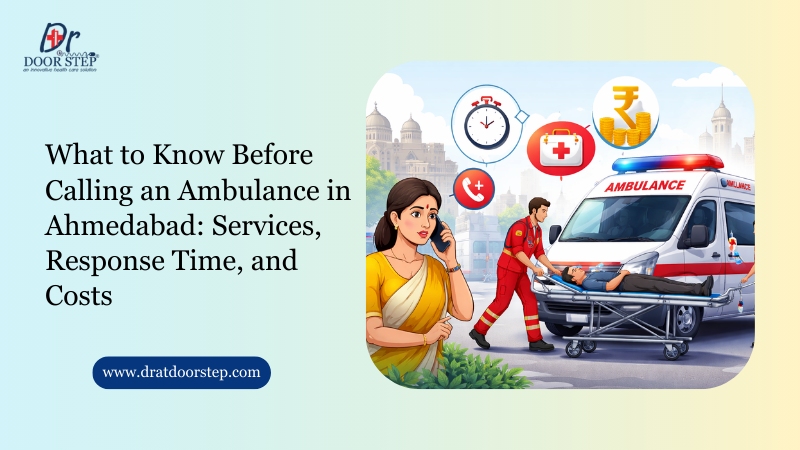
What to Know Before Calling an.
Medical emergencies can happen anytime — at home, on the road, or even at work. And when they do, one.
Read More
