


Post-Operative Recovery with Doctor at Home Service in 2026

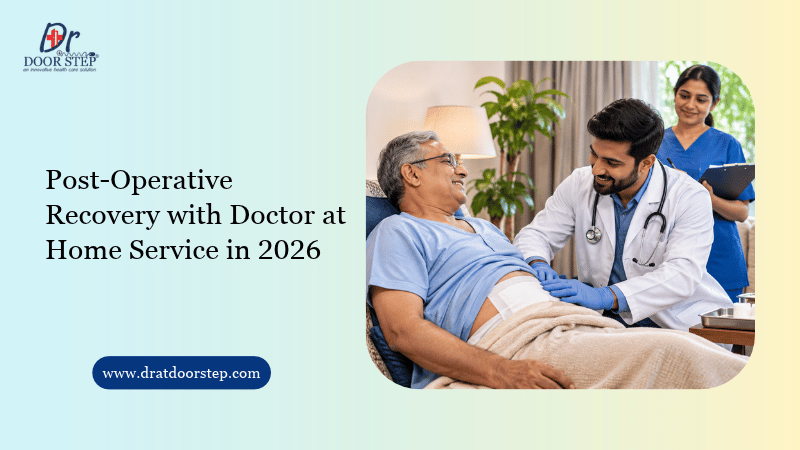
Surgery is only half the journey. The other half starts when you reach home, tired, sore and unsure what comes next.
Maybe you had a knee replacement in Ahmedabad, abdominal surgery in Mumbai, or a heart procedure in Delhi. Either way, the first few weeks decide how smoothly you heal. Dressings need checking, medicines need timing, and pain needs watching.
That is where a physician at home helps. You get medical attention in your own room, without travelling to the hospital for every small follow-up. It works best with a clear plan and your surgeon in the loop. Here is how it all fits together.
Why Is Post-Operative Care Important After Hospital Discharge?
Leaving the hospital does not mean you are healed. Many patients need days or weeks of careful care, depending on the surgery and their general health.
Good care lowers the chance of complications. It usually covers:
- Wound care
- Medicine timing
- Pain monitoring
- Safe movement
- Regular check-ups
Take a hip replacement. The patient needs help getting out of bed, someone to watch the wound, and pain relief that actually works. Regular home visits make each of these easier for the patient and the family.
How Does a Doctor at Home Support Post-Operative Recovery?
A home visit lets a qualified doctor see how you are really doing, without a tiring trip to a clinic.
A typical visit includes:
- Discharge summary review
- Vitals check
- Wound examination
- Medicine review
- Diet and sleep questions
- Test or specialist advice
The doctor checks blood pressure, pulse, temperature and oxygen levels. Then they look at the surgical site for redness, swelling or discharge.
They also ask simple questions. How is your appetite? Are you sleeping? Is the pain getting better or worse?
Elderly patients and people with limited mobility benefit the most. Still, a home visit does not replace emergency care or your surgeon’s scheduled follow-ups. Keep both going.
Understanding Post-Operative and Transitional Care
Post-operative and transitional care simply means support while you move from hospital to home. Most families have never done this before, so planning matters.
Think of it in three stages.
Before Returning Home
Ask the hospital for a discharge summary, medicine list, wound instructions and follow-up dates. Also ask which movements to avoid.
The First Few Days
Watch closely. Note temperature, pain levels and medicine timings in a small notebook. A doctor can use this record to spot trouble early.
Ongoing Recovery
The attention is now on strengthening the body. According to the surgery, you will require:
- Physiotherapy sessions
- Protein-rich diet
- Continuous checkups
- Gradual increase in physical activities
Be careful not to be hasty because there is a pace of healing.
NMC Guidelines and Ethics: What Should Patients Check?
When selecting any home doctor, ensure that he is well qualified. This is regulated by the National Medical Commission (NMC). Check that the doctor is listed with their state medical council or on the National Medical Register.
For conduct, the Indian Medical Council (Professional Conduct, Etiquette and Ethics) Regulations, 2002, remain the main reference. The NMC’s separate 2023 conduct regulations were put on hold in August 2023.
Check these before a visit:
- Registration number
- Consultation charges
- Written prescriptions
- Record privacy
- Emergency referral plan
A good doctor explains your options and takes your consent before any examination or procedure. If someone avoids these basics, look elsewhere.
How Do At-Home Diagnostics and Point-of-Care Testing Help?
At-home diagnostics and point-of-care testing (POCT) let certain checks happen outside a hospital lab. They help doctors track your recovery without long waits.
Common checks include:
- Blood sugar
- Blood pressure
- Oxygen levels
- Temperature
- Home blood sampling
Here is an example. After abdominal surgery, a patient feels weak and has a mild fever. The doctor suspects infection or anaemia and arranges a blood sample at home. The results guide the next step, whether that is a medicine change or a hospital review.
Not every test works well at home, though. Equipment quality, sample handling and correct interpretation all matter. The Health Ministry also stresses validating point-of-care solutions before use.
Home tests should support the doctor’s judgement, not replace a proper examination.
Practical Tips for a Safer Recovery at Home
Small habits make a big difference.
- Prepare recovery space
- Use medicine chart
- Keep wound clean
- Eat enough protein
- Follow physio plan
- Organise medical records
Keep the bed, water, medicines and phone within easy reach. A written chart stops missed or double doses. Store discharge papers, prescriptions and test reports in one folder.
Think of an elderly patient recovering from a fracture. A walking aid nearby, no loose rugs and regular check-ups can prevent a second injury.
When Should You Seek Immediate Medical Attention?
Some symptoms need action right away. Call emergency services or go to the nearest hospital if you notice:
- Breathing trouble
- Chest pain
- Sudden confusion
- Heavy bleeding
- Fast-growing swelling
- High, worsening fever
- Severe sudden pain
- Swelling in one leg
Do not wait for the next scheduled visit. One-sided leg swelling can point to a blood clot, so treat it seriously.
Common Mistakes Families Should Avoid
Even with the best intentions, caregivers can slow recovery without realising it.
- Stopping medicines early
- Skipping follow-ups
- Doing too much
- Ignoring small changes
- Trusting random advice
Antibiotics and painkillers should only stop on a doctor’s advice. Home visits never replace your surgeon’s appointments. Returning to normal chores too soon can reopen wounds or delay healing.
Small changes matter too. New redness, odd discharge or rising pain should be reported early. And please skip forwarded WhatsApp advice. Every patient heals differently.
Frequently Asked Questions
1. What does a doctor at home do after surgery?
The doctor checks your wound, vitals and medicines. They may also suggest tests or a specialist visit if something looks off.
2. How long will it take for recovery after the surgery?
This varies according to the type of surgery, age, and the overall health of the patient. Small surgeries take some days, whereas complex surgeries take some weeks or even months.
3. Is it possible to conduct blood tests at home after surgery?
Yes, it is. There are many diagnostic companies that perform blood tests from home. Certain tests may be performed using point-of-care testing.
4. Is home care suitable for elderly patients?
Often, yes. It saves them tiring travel and allows regular monitoring. Suitability still depends on their medical condition.
5. When should a patient return to the hospital?
Go immediately for breathing trouble, chest pain, heavy bleeding or sudden confusion. Always attend your surgeon’s scheduled follow-ups as well.
Conclusion
A safe recovery needs more than rest. It needs wound care, medicine discipline, regular checkups and timely advice when something feels wrong.
Choosing a qualified physician at home through a trusted provider can save you many tiring trips. Just remember that home visits work alongside your surgeon’s plan, not instead of it.
Planning post-operative care for yourself or a family member? Visit DrAtDoorstep to explore doctor-at-home services and arrange support that fits your recovery.


Pain Management in Terminal Cancer at.
Any cancer that is incurable is referred to as terminal cancer. Advanced heart disease and cancer are two examples of.
Read More
Which Situations Require You To Have.
Health problems are always serious and need for all-encompassing fixes. Doctor on Call services are frequently used by patients when.
Read More
