


Monsoon Medical Emergencies: Navigating Waterlogging and Ensuring Fast 24/7 Private Ambulance Response

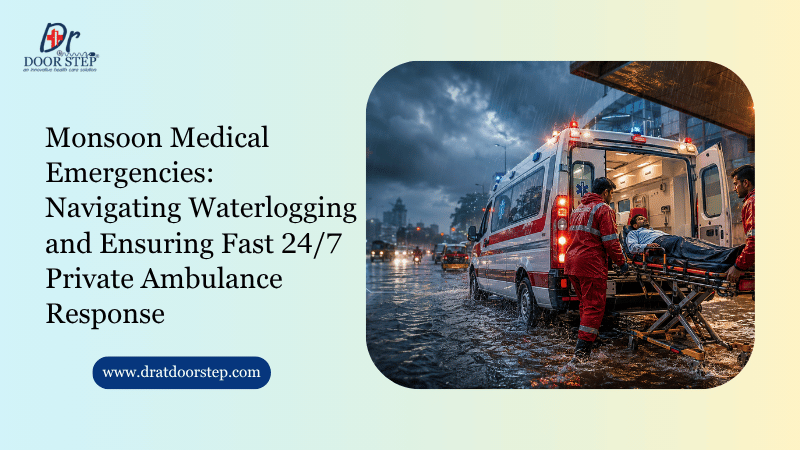
The monsoons not only bring rains that refresh people from summer heat, but they also come with their own set of difficulties. In fact, heavy rains lead to floods, which results in waterlogged roads and traffic jams in most of the Indian cities. Even a few extra minutes might mean a lot during medical emergencies.
That is why the availability of a 24×7 emergency ambulance Delhi is crucial during monsoons when one needs fast transportation in case of heart attacks, strokes, accidents, difficulty breathing, and other medical emergencies; it is necessary to ensure fast transportation to the appropriate hospitals.
In this guide, we’ll explain how waterlogging affects emergency healthcare, how ambulance services prepare for monsoon conditions, and what families can do to stay prepared.
Why Monsoon Increases Medical Emergencies in Indian Cities
Rain isn’t just water falling from the sky; it quietly creates the perfect storm for health scares.
Common monsoon-related emergencies:
- Road accidents
- Heart attacks
- Dengue, malaria
- Asthma flare-ups
- Electric shocks
- Falls on wet floors
- Food poisoning
Cities like Delhi, Mumbai, Bengaluru and Kolkata all deal with this every year: heavier traffic, slower roads, and a spike in hospital visits the moment the clouds open up.
How Waterlogging Delays Emergency Medical Care
Every stage of getting help gets harder once water starts pooling on the roads.
Blocked Roads
Some stretches flood so badly that vehicles simply can’t pass, forcing longer detours.
Heavy Traffic
Rain slows everyone down, ambulances included, adding precious minutes to every trip.
Poor Visibility
Thick rain and fogged-up windshields make driving genuinely risky.
Access Issues
Flooded society gates or hospital entrances can hold up patient pickup right when speed matters most.
For someone having a cardiac arrest or a serious injury, these small delays add up fast.
Why a 24/7 Emergency Ambulance Service Delhi Matters
A solid 24/7 emergency ambulance service Delhi residents trust does a lot more than just show up with a vehicle.
Smarter Route Planning
Good providers track live traffic and flooding, then reroute before you even ask.
Trained Paramedics On Board
Care doesn’t wait for the hospital; it starts the moment the ambulance arrives.
Equipped for Emergencies
Most reliable ambulances carry:
- Cardiac monitors
- Oxygen support
- Defibrillators
- Suction machines
- Emergency medicines
- Ventilator support (advanced units)
Always On, Rain or Shine
Emergencies don’t check the weather forecast, and neither should your ambulance provider.
Medical Emergencies That Need Immediate Ambulance Support
A lot of people wait too long, hoping symptoms will just pass. Don’t.
Heart Attack
- Chest pain
- Pain in arm or jaw
- Sweating
- Breathlessness
Stroke
- Sudden weakness
- Slurred speech
- Facial drooping
- Loss of balance
Serious Accidents
Internal injuries aren’t always visible; get checked anyway.
Breathing Trouble
Severe asthma or respiratory distress needs oxygen support immediately.
Unconsciousness
Always treat this as a genuine emergency, no exceptions.
Practical Tips to Stay Prepared This Monsoon
A bit of planning now saves a lot of panic later.
Save these on your phone:
- Ambulance number
- Nearby hospitals
- Family emergency contacts
Keep ready at home:
- Digital prescriptions
- Medical history
- Allergy details
- Insurance papers
Pack a small emergency kit with:
- Essential medicines
- Torch
- Power bank
- Drinking water
- ID documents
- Rain cover
And when someone shows signs of a heart attack or stroke, don’t try to drive them yourself through flooded streets. Call for help instead.
How Ambulance Teams Actually Prepare for Monsoon
The good providers don’t just react to bad weather; they plan for it well before the first heavy shower.
That usually means:
- Live GPS route tracking
- Constant hospital coordination
- Regular vehicle servicing
- Waterproofed equipment
- Backup fuel readiness
- Extra staff on standby
All of this happens quietly in the background, but it’s exactly what keeps response times steady even when the roads aren’t cooperating.
Common Mistakes People Make During Emergencies
Small errors here cost real time.
Waiting it out — hoping the pain or symptoms disappear on their own.
Trying home remedies — these have no place in a genuine emergency.
Driving through flooded roads — you can’t see potholes, live wires, or stalled vehicles underwater.
Giving incomplete details — always share the patient’s age, symptoms, exact location, and a nearby landmark.
Brushing off warning signs — mild chest discomfort or sudden weakness is never “nothing.”
Benefits of a Reliable Emergency Ambulance Service
Choosing the right provider pays off in ways you only notice when it truly matters.
- Faster response
- Safer transport
- Continuous monitoring
- Fewer complications
- Better hospital coordination
- Real peace of mind
Getting medical help early almost always leads to a smoother recovery.
Conclusion
Monsoon has its own set of health problems where there are chances of waterlogging and traffic snarls. In an emergency situation, every second counts. The availability of a reliable 24/7 emergency ambulance service Delhi helps to ensure that the patient gets the proper medical care and quick transportation to the hospital.
Being well-prepared, identifying signs of emergencies promptly and taking action immediately can be crucial during emergencies.
For those who require reliable ambulance services in emergency situations, DrAtDoorstep offers emergency ambulance assistance to help the patients get the needed treatment on time.
Frequently Asked Questions
- Why does a 24/7 emergency ambulance service matter so much during monsoon?
Because waterlogging and traffic can delay care badly. A proper 24/7 emergency ambulance service Delhi comes with trained staff, working equipment, and route planning built for exactly this kind of chaos.
- Should I book an ambulance for chest pains when it is raining heavily?
Yes, always. If it’s raining heavily, you can get hurt while driving to the hospital, and chest pain may be due to a heart attack.
- Which information do I need to provide when booking an ambulance?
Address, landmark, patient’s condition and age, my contact number and other requirements, if any.
- Can ambulances provide treatment to the patients even before reaching the hospitals?
Yes, most advanced ambulances have oxygen, cardiac monitors and medicines along with paramedics who will start treating the patients right from the beginning.
- How can one get prepared for monsoon medical emergencies?
Saving the emergency contact numbers, keeping an emergency kit ready, keeping copies of medical history available and knowing the location of the nearest 24/7 hospital.


Vital Importance of Regular Health Check-Ups
Many of us frequently ignore one of the most important areas of our life in this fast-paced world which is.
Read More
When to Seek a Follow-Up Doctor.
Getting treated once is not the end of the story. For complete recovery, follow-up consultations are just as important as the.
Read More
